Introduction
In the realm of semiconductor packaging and microelectronic meeting, two dominant twine bonding suggestions stand out: wedge bonding and ball bonding. Both tricks are valuable in making certain official interconnections between chips and substrates, yet they arrive with assorted positive aspects, benefits, and programs. This article delves deep into the intricacies of these two twine bonding processes, proposing a accomplished research to be sure which technique reigns preferrred in lots of eventualities. Whether you’re a professional engineer or just beginning your event in twine bonding expertise, this e book will equip you with Visit this page effective insights.
What is Wire Bonding?
Wire bonding is a method used to create electric connections between semiconductor devices and their programs. It comprises the usage of thin wires—most commonly comprised of gold, aluminum, copper, or silver—which can be thermally or ultrasonically bonded to pads on a chip and substrate. The wire bonding job is mandatory for top-efficiency electronics as it rapidly affects reliability, performance, and general software high-quality.
The Wire Bonding Process Explained
The wire bonding activity should be would becould very well be damaged down into numerous key steps:
Preparation: The surfaces of the chip and substrate are cleaned to do away with any contaminants that might have an effect on bond exceptional. Wire Selection: Depending at the utility, engineers elect magnificent fabrics (gold, aluminum, copper) stylish on causes like conductivity and check. Bond Formation: The decided on process (wedge or ball bonding) is carried out making use of specialised cord bonding system. Inspection: Post-bonding inspection guarantees that the connections meet nice criteria by way of varied trying out tactics.By knowledge how twine bonding works, it is easy to get pleasure from its integral position in current electronics production.
Types of Wire Bonding Techniques
Wire bonding encompasses a considerable number of ideas tailored for explicit programs:
- Ball Bonding: Involves forming a ball at the quit of the wire prior to creating a bond. Wedge Bonding: Utilizes a wedge-fashioned device to create bonds devoid of forming a ball at the conclusion. Ribbon Bonding: Uses wider ribbons rather than traditional wires for increased surface locations.
Each type has its one-of-a-kind set of features that have effects on efficiency in numerous scenarios.
Wedge vs Ball Bonding: A Comparative Overview
When evaluating wedge vs ball bonding techniques, it really is essential to analyze their core ameliorations:
1. Bond Formation Mechanism
- Ball Bonding:
- Begins with heating the cord's quit to form a small ball. The ball is then pressed towards the bond pad riding ultrasonic vitality to create a effective attachment.
- Uses a wedge tool that presses down on the twine devoid of forming a pre-bonded sphere. Bonds are created via mechanical tension combined with warmth (thermosonic) or ultrasonic power.
2. Material Compatibility
Each procedure favors unique materials:
- Ball bonding predominantly makes use of gold due to its most appropriate conductivity. Wedge bonding can make the most of aluminum or copper wires nicely.
three. Applications and Industry Use Cases
Both techniques uncover their area of interest across varying sectors:
- Ball Bonding:
- Widely utilized in microelectronics like IC packaging as a consequence of its compatibility with fine pitch purposes.
- Preferred in capability modules and automotive electronics in which greater pads are natural.
four. Cost Consideration
Cost plays an remarkable function in picking out among these equipment:
| Feature | Ball Bonding | Wedge Bonding | |------------------|--------------------------|---------------------------| | Material Cost | Higher (Gold) | Lower (Aluminum/Copper) | | Equipment Cost | Typically greater | Generally lessen |
5. Reliability Factors
Reliability is paramount in digital purposes:
- Ball bonds tend to exhibit more desirable fatigue resistance underneath thermal cycling situations. Wedge bonds give useful moisture resistance by using their shrink tension ranges on pads.
Detailed Analysis of Wedge Bonding Process
What Makes Wedge Bonding Unique?
Wedge bonding sticks out by using its clear-cut but useful mechanism for developing powerful connections among chips and substrates without needing a pre-bonded sphere:
Key Advantages
Material Versatility: Can use alternative twine kinds comparable to aluminum or copper. Lower Stress: Reduces mechanical stress on pads in comparison to different tactics. Ability for Deep Access: Ideal for stacking dies or working inside confined spaces by reason of its layout flexibility.Applications
Wedge bonding unearths application across multiple industries consisting of:
- Automotive electronics Power modules Aerospace components
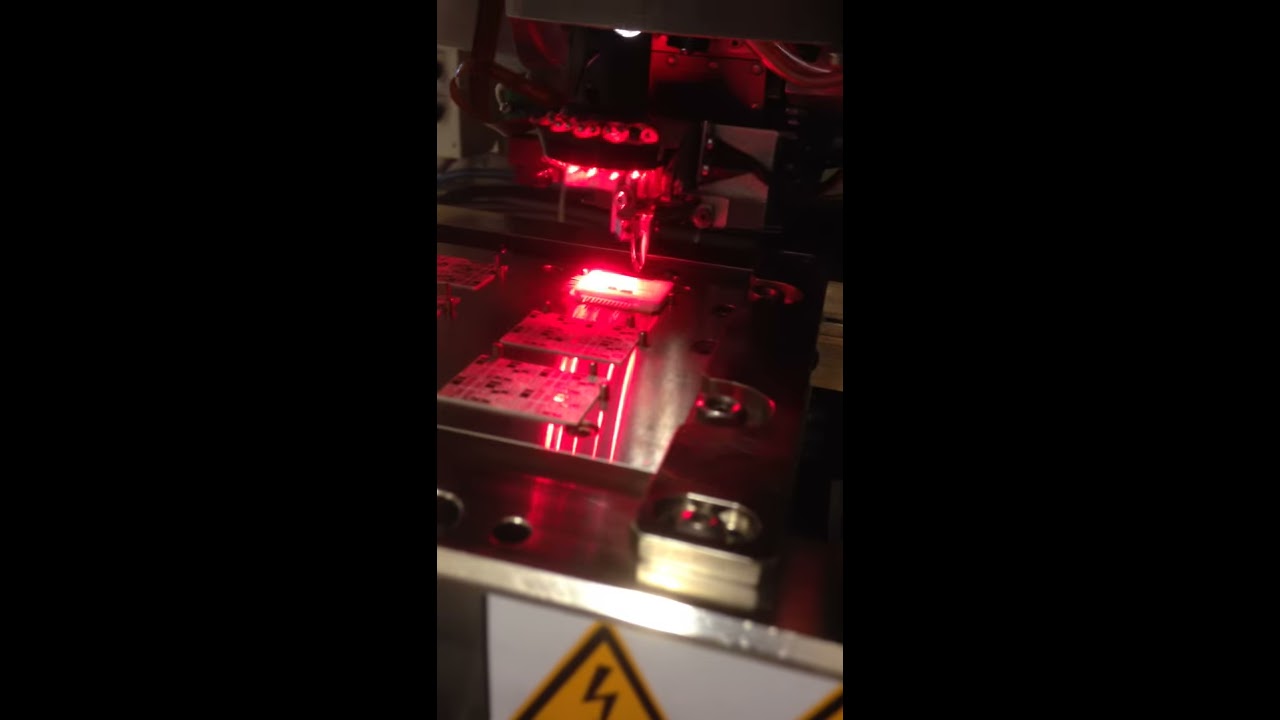
Understanding Wedge Wire Bonding Machines
The achievement of wedge bonding closely is predicated on superior apparatus designed notably for this goal:
Ultrasonic Wedge Bonders: Utilize ultrasonic strength for bond formation; leading for light-weight applications. Thermosonic Wedge Bonders: Combine heat with ultrasonic electricity; useful when going through greater challenging material like copper.In-intensity Look at Ball Bonding Process
What Defines Ball Bonding?
Ball bonding is characteristically liked in top-density applications the place house is limited yet functionality wants stay high:
Key Features
Fine Pitch Capability: Allows connections at micro-point pitches bettering common circuit density. Gold Wire Usage: Offers optimum conductivity however comes at an greater materials charge. Established Technology: Has been around longer than wedge bonding making it commonly understood by means of practitioners.Applications
Ball bonding excels exceedingly in sectors equivalent to:
- Microelectronics Telecommunications High-frequency RF applications
Exploring Ball Wire Bonding Machines
To attain ideal overall performance right through ball bonding strategies, specialised equipment is applied:
Thermosonic Ball Bonders: Integrate warmth throughout bond formation which improves adhesion homes appreciably. Automatic Ball Bonder Machines: Facilitate mass manufacturing whereas guaranteeing precision in every bond created.Evaluating Wire Bond Quality Control Measures
Quality keep watch over throughout the time of either approaches is not going to be overstated as it rapidly influences yield fees and product reliability:
1. Inspection Methods
Various inspection approaches be certain that bonds meet stringent industry concepts:
| Inspection Method | Description | |-------------------------|--------------------------------------------------| | Visual Inspection | Manual exams via operators driving magnification | | Pull Test | Evaluates the potential of amazing bonds | | Shear Test | Assesses adhesive capability among layers |
2. Common Failure Modes
Understanding competencies failure modes supports mitigate dangers related to both technology:
For Ball Bonds:
- Incomplete Bonds Oxidation Issues
For Wedge Bonds:
- Heel Cracking Pad Damage
Implement rigorous inspections publish-approach to seize trouble early earlier they influence downstream production levels.
Advantages and Disadvantages of Each Technique
When figuring out among wedge vs ball bonding, reflect onconsideration on these execs and cons which could impression your creation line choices extensively:
Advantages of Ball Bonding
Fine pitch skill helps compact designs critical for improved technologies integration. Established method potential considerable beef up sources are achieveable together with tutorials and video clips on line.Disadvantages of Ball Bonding
Higher costs linked to gold elements may perhaps deter budget-wakeful tasks. More not easy equipment required when put next to a few selections reminiscent of wedge structures.Advantages of Wedge Bonding
Lower operational rates owing in large part to more cost-effective raw material like aluminum or copper wires used sometimes throughout industries. Enhanced environmental resilience many times interprets into accelerated reliability over the years enormously under intense situations fashionable inside automobile applications.Disadvantages of Wedge Bonding
Limited applicability referring to tremendous pitch requisites the place tightly packed circuitry exists annoying alternate solutions like ball bonds as an alternative could yield bigger results standard from both performance & effectiveness perspectives alike.FAQs About Wedge vs Ball Bonding Techniques
Here are some quite often asked questions referring to these two indispensable programs:
1. What’s the time-honored change between wedge and ball bonding?
The general distinction lies in their bond formation mechanism; ball bonding uses a melted sphere although wedge employs direct drive devoid of pre-formations ensuing in unusual merits based on software demands!
2. When needs to I decide one system over a further?
If you're looking at compact designs regarding tremendous pitches—pick out ball bonds! However if running within continual modules requiring toughness—wedge may perhaps serve highest here as a replacement!
3. Are there certain components in basic terms true for one procedure?
Yes indeed! Gold works biggest with balls while aluminum/copper excel under wedges! Make positive you choose properly centered upon your challenge specifications!
four. How does both manner influence long-term reliability?
Generally speaking—a nicely-accomplished ball bond exhibits most desirable fatigue resistance! While wedges convey extraordinary moisture insurance policy guaranteeing longevity regardless!
five.Who provides exercise instruments on those approaches?
Many universities offer lessons alongside diverse online platforms hosting tutorials & webinars centered explicitly upon editing experience round those a must have applied sciences!!
Conclusion
Choosing among wedge vs ball bonding eventually boils down very own option dictated by means of exceptional mission parameters—concerns akin to cloth determination,charge points,and preferred efficiency effect play pivotal roles influencing this decision-making process immensely!
Both tricks have exciting strengths; accordingly working out your application’s designated calls for allows for you leverage either system effortlessly whilst maximizing productivity yields at some stage in manufacturing cycles in advance!